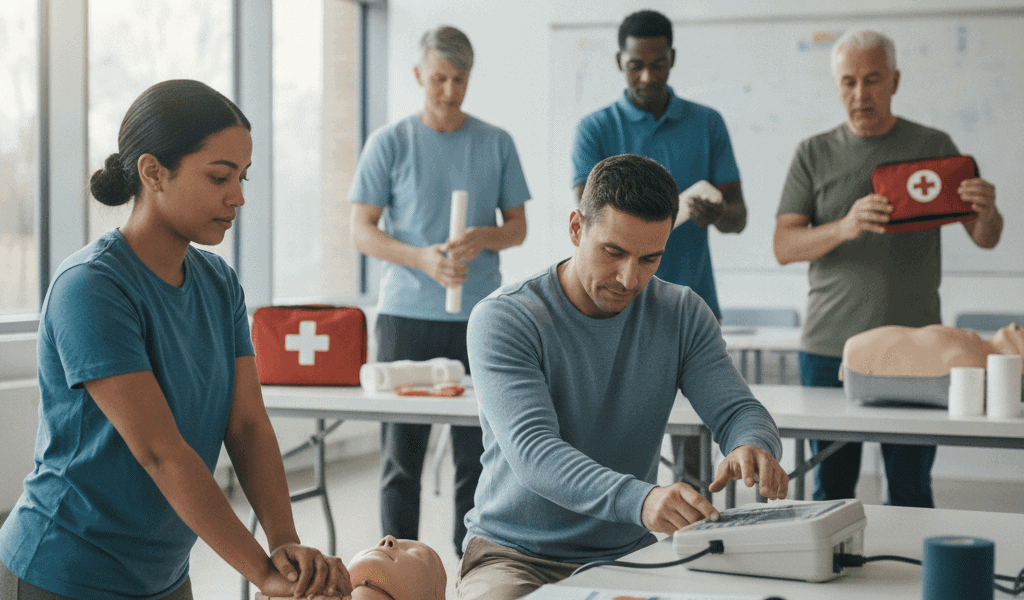

I believe that taking charge of your personal well-being means more than just reacting to problems. It is about building a strong foundation of knowledge and abilities that protect you every day. Life moves quickly and unexpected situations arise so being prepared is a huge advantage.
I have seen how a lack of understanding in basic health and safety can lead to avoidable issues. Many people simply do not know what to do when a minor injury happens or how to prevent common household accidents. This gap in knowledge can make us feel helpless when we need to be effective.
My goal here is to share insights that help you build these crucial skills. We can all learn to navigate daily risks and improve our overall health. Equipping yourself with practical health and safety knowledge is a wise investment in your future and the well-being of those around you.
Understanding Foundational Health Practices
Establishing good health habits is the first step toward a safer and more resilient life. This involves more than just seeing a doctor when you are sick. It means actively caring for your body and mind every day. I often think about how small, consistent actions create big results over time.
For example, simply getting enough sleep makes a huge difference in your ability to react quickly and stay focused. I have learned that a well-rested mind is a sharp mind. It helps you make better decisions whether you are at home or out in the world.
Maintaining proper hygiene is another simple but powerful health practice. Regular hand washing and keeping your living spaces clean help prevent the spread of illness. These practices become second nature and protect you from many common germs. It is an easy way to safeguard your health.
Daily Habits for a Stronger Body
I make sure to incorporate simple routines into my day that support my physical health. This is not about extreme workouts but rather consistent movement and smart choices. Eating a balanced diet gives your body the fuel it needs to function at its best.
Think about incorporating more fruits, vegetables, and whole grains into your meals. I have found that even small dietary changes can boost energy levels and improve your mood. Staying hydrated by drinking plenty of water is also very important. Your body relies on water for almost every function.
Regular physical activity does not have to be intense. A brisk walk each day or some stretching exercises can significantly improve your fitness. I try to find activities I enjoy because that makes it easier to stick with them. Consistency is the real secret here not intensity.
Prioritizing Mental Well-being
Mental health is just as important as physical health. I often remind myself that our minds need care and attention too. Managing stress effectively is a key skill for overall well-being. Finding ways to relax and unwind helps keep stress levels in check.
This might involve reading a book, listening to music, or spending time outdoors. I find that connecting with nature helps clear my head. It is important to know your own stress triggers and develop healthy coping mechanisms. Talking to friends or family about your feelings can also provide great support.
Sometimes, simply taking a few moments for quiet reflection can make a difference. Mindfulness practices can help you stay present and reduce anxiety. I believe that a healthy mind supports a healthy body and helps you handle life’s challenges more easily.
Mastering First Aid and Emergency Preparedness
Knowing how to respond in an emergency is a skill everyone should have. Accidents can happen anywhere and at any time. I know from experience that quick action in an urgent situation can truly save lives or prevent further injury. Being prepared offers peace of mind.
Basic first aid knowledge covers a wide range of common injuries from cuts and scrapes to sprains and burns. We do not need to be medical professionals to make a meaningful difference. Simple steps can stabilize a situation until professional help arrives.
Beyond immediate medical response, thinking about broader emergency preparedness for events like power outages or natural disasters is also vital. Having a plan in place helps you stay calm and focused when things are chaotic.
Basic First Aid Procedures
Learning basic first aid is more straightforward than many people think. I recommend everyone takes a fundamental course. It teaches you how to handle common injuries effectively. For minor cuts, cleaning the wound and applying a bandage is essential to prevent infection.
For sprains, remember the RICE method: Rest, Ice, Compression, and Elevation. This can help reduce swelling and pain. In cases of burns, cooling the affected area with water is usually the first step. Knowing these simple protocols can make a significant impact.
Keeping a well-stocked first aid kit at home and in your car is also very important. I always ensure my kit has bandages, antiseptic wipes, pain relievers, and any personal medications. Being organized helps you react swiftly when you need to.
Creating an Emergency Plan
An emergency plan is a roadmap for unexpected events. I encourage every household to create one. This plan should include contact information for family members, emergency services, and doctors. Everyone in your home should know where to find it.
Think about meeting points outside your home in case of an evacuation. Discuss different scenarios like fires or severe weather and how you would respond. Having a communication strategy in place is also key. This ensures everyone knows how to reach each other if phones are down.
Stocking an emergency kit with non-perishable food, water, flashlights, and a battery-powered radio is a smart move. I check my emergency supplies regularly to make sure everything is current and usable. Preparedness is not about fear but about responsible planning.
Navigating Workplace and Home Safety
Our homes and workplaces are where we spend most of our time so ensuring their safety is paramount. I have always believed that prevention is better than cure. Recognizing potential hazards and taking steps to mitigate them protects us and those around us.
In a work environment, adhering to safety protocols is not just about following rules. It is about creating a culture where everyone looks out for each other. At home, being aware of everyday risks helps prevent common accidents that can cause significant harm.
I find that a proactive approach to safety makes a big difference. This means regularly inspecting your surroundings and thinking about what could go wrong. Then you can address issues before they become problems.
Identifying Hazards at Work
Workplace safety begins with awareness. I encourage everyone to understand the specific risks in their work environment. This might involve anything from proper lifting techniques to handling hazardous materials safely. Training programs are often available and I recommend taking advantage of them.
Loose cables, wet floors, and poorly maintained equipment are common hazards that can lead to falls or other accidents. Reporting these issues immediately helps create a safer space for everyone. Wearing appropriate personal protective equipment like gloves or safety glasses is also crucial.
I believe that open communication about safety concerns is important. If something does not feel safe, it is important to speak up. Your input can prevent serious accidents and foster a safer working environment for the entire team.
Securing Your Living Space
Your home should be a sanctuary, a place where you feel secure. I take steps to make sure my living space is as safe as possible. This includes installing smoke detectors and carbon monoxide alarms and checking their batteries regularly. These devices provide early warnings that can save lives.
Preventing falls is also a major aspect of home safety, especially for children and older adults. Keeping walkways clear, securing rugs, and ensuring good lighting can reduce risks significantly. I also make sure that cleaning supplies and medications are stored safely out of reach of children or pets.
Electrical safety is another important consideration. Avoid overloading outlets and make sure cords are in good condition. I always check appliances for damage and replace them if needed. These simple actions contribute greatly to a secure and peaceful home.
The Role of Nutrition and Physical Activity
Our daily choices in food and movement profoundly affect our ability to stay safe and healthy. I see nutrition and exercise as the building blocks of a strong body and mind. They give us the energy and resilience needed to face challenges.
When our bodies are well-nourished and active, we are better equipped to fight off illness and recover from injuries. This connection between lifestyle and well-being is something I focus on personally. It is about making sustainable choices rather than following fleeting trends.
These skills are fundamental to a healthy life. They empower us to have more control over our physical state. I believe that understanding the basics allows us to make informed decisions for ourselves and our families.
Fueling Your Body Wisely
Eating well is about providing your body with the nutrients it needs to perform optimally. I focus on a balanced diet rich in whole foods. This means plenty of fruits, vegetables, lean proteins, and complex carbohydrates. These foods provide sustained energy and support vital bodily functions.
Limiting processed foods and excessive sugar intake is also something I prioritize. They can lead to energy crashes and long-term health problems. Learning to read food labels helps you make better choices about what you are consuming. Knowledge here is power.
Hydration cannot be overstated. I keep a water bottle with me throughout the day to ensure I am drinking enough. Water aids digestion, regulates body temperature, and helps transport nutrients. It is a simple habit with huge health benefits.
Movement for Lifelong Health
Physical activity is essential for maintaining health and mobility as we age. I find that regular exercise improves strength, flexibility, and balance. These benefits help prevent falls and keep our bodies functioning well. It does not have to be a strenuous gym routine.
Even moderate activities like walking, swimming, or gardening contribute greatly to overall fitness. I aim for at least 30 minutes of moderate activity most days of the week. Finding an activity you enjoy makes it much easier to stay consistent.
Incorporating strength training also builds muscle and bone density. This is especially important for long-term health. Remember to listen to your body and start slowly if you are new to exercise. Consistency is the key to seeing lasting results.
Developing Situational Awareness
Situational awareness is about being present and observant in your surroundings. It is a critical safety skill that I practice every day. This is not about being paranoid but rather being aware of potential risks and how to avoid them.
For example, when I enter a new building, I quickly note the exits and any emergency procedures. This habit allows me to react more effectively if an unexpected event occurs. It is about making smart observations that can keep you safe.
This skill helps you identify potential threats before they become immediate dangers. It empowers you to take preventative action. I believe that cultivating this awareness gives you a significant advantage in various situations.
Reading Your Environment
Being aware of your environment means paying attention to details. I always look for patterns and anything that seems out of place. This applies whether I am in a busy urban area or a quiet park. Noticing things like unusual behavior or potential obstacles can help you avoid trouble.
Consider your escape routes in public places. Knowing where the exits are or alternative paths can be vital in an emergency. I also pay attention to how people around me are acting. This helps me gauge the general mood and potential risks of a situation.
Practicing this daily makes it a natural reflex. It sharpens your instincts and helps you respond more calmly if a situation demands it. Being observant is a powerful tool for personal safety.
Responding to Unexpected Events
Even with great situational awareness, unexpected events can still occur. The key is to have a plan for how you might respond. I think about various scenarios and how I would react. This mental preparation can reduce panic in a real crisis.
If you find yourself in a dangerous situation, prioritizing your safety is always the first step. This might mean removing yourself from the area, seeking cover, or calling for help. It is important to trust your instincts. If something feels wrong, it probably is.
Practicing emergency drills, like fire drills at home, can also be beneficial. This reinforces the steps you would take and helps you act decisively under pressure. A prepared mind is a resilient mind.
Continuous Learning in Health and Safety
The world of health and safety is always evolving with new information and best practices emerging regularly. I believe that staying informed is not just a recommendation but a necessity. New research on nutrition, updated first aid techniques, and advancements in safety technology mean there is always more to learn.
I make a point of seeking out reliable sources for health information. Reading articles from reputable organizations and attending workshops helps me keep my knowledge current. This commitment to ongoing education helps me better protect myself and my family. It means I am always prepared with the most effective methods.
For anyone looking to deepen their understanding of health and safety, I highly recommend exploring resources that offer specialized training. You can truly empower yourself with essential health safety skills by actively pursuing new knowledge. This could involve certification courses in CPR or advanced first aid. Investing time in these areas truly pays off.
The more you know, the more confident and capable you become when facing various situations. It creates a feeling of security that comes from being well-prepared. Continuous learning is a lifelong journey for personal safety and wellness.
Embrace Your Journey to Better Health and Safety Skills
Taking charge of your health and safety skills is a powerful step toward a more secure and confident life. I have covered many vital areas here from maintaining daily health habits and preparing for emergencies to ensuring safety in your environment. These skills are not just theoretical knowledge they are practical tools that you can use every single day. Each piece of information you learn and each skill you practice adds another layer of protection for yourself and your loved ones. We all face unexpected moments and being prepared makes a significant difference in how we navigate them. I urge you to think about which areas you can improve upon first. Perhaps it is reviewing your first aid kit or simply committing to a daily walk. Small consistent efforts build up over time leading to profound improvements. Start today to build these essential skills and create a safer healthier future for yourself.