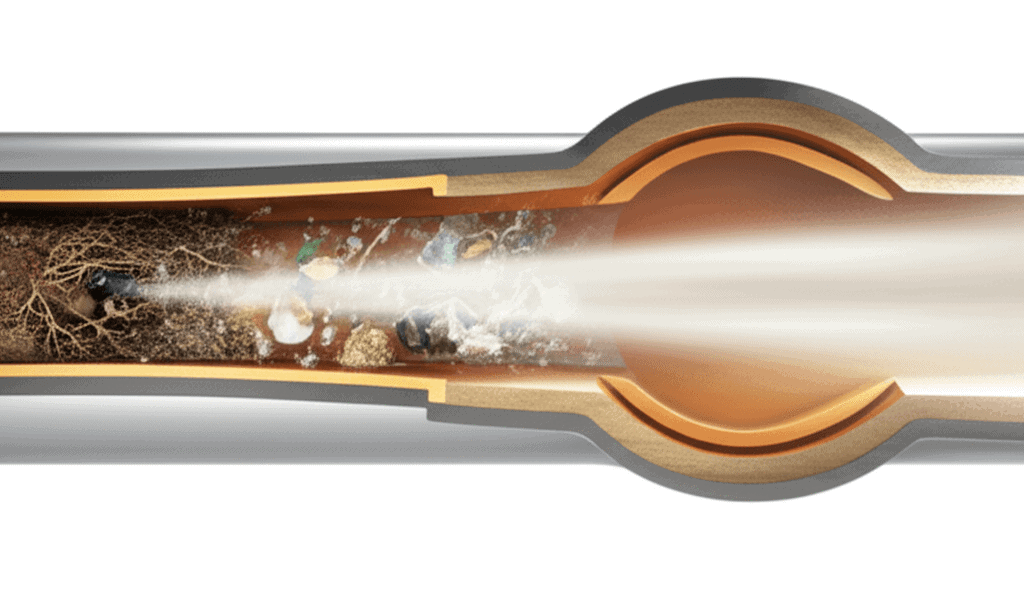

Hydro jetting works like a super-powered water blaster that shoots through pipes to wipe out stubborn clogs. When drains stop working and plungers or chemicals fail, many people call on this trick. It blasts away tough blockages with a strong spray from a special nozzle, clearing out years of built-up gunk hidden deep inside skinny pipes. Think of it as a secret weapon against those pesky backups that refuse to quit, much like weeds that keep coming back no matter what. This method saves time, cuts repair costs, and ends endless drain problems fast. If you want your home’s plumbing to flow smoothly again, hydro jetting offers a powerful fix that keeps folks chatting about its magic. Keep reading to see how this blast of high-pressure water can transform your drains and stop clogs for good.
This article explains how hydro jetting clears tough blockages in real world plumbing. You will read about what the process does to different types of obstructions, safety considerations, and practical tips to get the best results. Examples and simple comparisons will help you decide when hydro jetting is the right choice for your pipes.
What hydro jetting is and how the equipment works
Hydro jetting combines water pressure and flow to physically remove debris from inside a pipe. A hose with a nozzle is inserted through an access point and water is pumped at high pressure. The nozzle is designed to direct a forward jet to break up the blockage and backward jets to clean the pipe walls.
Key performance factors to consider
Pressure measured in pounds per square inch and flow measured in gallons per minute determine how effective a session will be. For residential service technicians commonly use pressures between two thousand and four thousand psi with flow rates that can range from four to twelve gallons per minute. Higher pressure and higher flow work together to cut through hardened deposits and wash them out of the pipe.
Common nozzle types and when they are used
Nozzles come in different shapes and spray patterns. Some are intended to shore open a small channel so water can break apart a clog. Others focus on scrubbing the pipe wall to remove grease or minerals. The right nozzle helps the operator target the issue while limiting risk to older pipes.
Typical causes of tough blockages that respond well to hydro jetting
Knowing what created a blockage helps explain why hydro jetting can be so effective. Here are common causes that respond well to high pressure cleaning
- Grease accumulations that coat the inner surface and trap hair and food particles
- Scale from hard water that narrows the pipe over time
- Tree root intrusion that grows into joints and creates tangles
- Sand or silt build up in low use lines
- Foreign objects that have lodged partway and created secondary buildup
Why hydro jetting clears tough blockages when other methods fail
Hydro jetting does more than push wastewater through or dissolve materials. It changes the physical shape and surface of the interior so flow returns to normal. Below are two clear mechanisms that explain this performance
Mechanical removal of deposits
The force of the water actually shears off grease and mineral deposits. While chemical cleaners can soften certain materials the mechanical action removes the entire layer leaving a nearly clean inner surface. That reduces the chance of rapid recurrence compared with solutions that only create a channel through the clog.
Cleaning the pipe wall
High flow and rotating spray patterns scrub the pipe circumference. This is especially important where hair or fibrous debris clings to grease. By eliminating the small ridges and bumps on the inner wall the pipe returns to a smoother profile which improves flow and reduces places where future debris can hang on.
Hydro jetting compared with snaking and chemical treatments
Homeowners are often advised to try a plumber snake or store bought drain chemicals. Each method has strengths and limits. A cable snake is useful for removing single point obstructions like a lodged toy or a compacted blockage. It misses grease smeared along the walls and it cannot remove roots that are woven around joints.
Chemical cleaners may dissolve organic material but they rarely remove scale and they can damage older pipes if used frequently. Hydro jetting removes both the central mass and the boundary layer, and after a single session a technician can follow with a camera inspection to confirm the result. This makes hydro jetting a reliable choice for persistent or recurring clogs.
Safety, pipe condition and when hydro jetting is not the right approach
Like any service hydro jetting has limits and risks. High pressure water can worsen existing damage in fragile or corroded pipes. Older clay, cast iron or flexible systems with degraded joints may need a different approach. A careful inspection before high pressure cleaning is essential to avoid making a small problem much larger.
Pre inspection and camera usage
A drain camera provides a visual record of pipe condition. This allows the technician to locate cracks, offset joints or thin sections. If the pipe shows signs of damage the operator will recommend repair or replacement instead of applying high pressure.
Signs that point away from hydro jetting
If television style cameras find collapsed sections, severe corrosion, or loose fittings hydro jetting is not recommended. In those cases a planned repair or targeted excavation paired with replacement materials provides a longer term result. It is safer to perform a controlled repair than to risk forcing a break that could lead to a messy emergency.
Practical tips to prepare for a hydro jetting appointment
Preparing ahead reduces the time spent on site and helps the technician deliver a clean result. Consider the following practical steps
- Locate and clear access panels and cleanouts so the operator can get to the problem section
- List the fixtures that are slow or backing up so the technician can reproduce the condition
- Remove items from under sinks and in basements to protect them from splash or muck
- Ask the contractor to perform a camera inspection both before and after the jetting session
- Request written findings about pipe condition so you have a record for future maintenance
How to choose a professional service and what to ask
Hiring a local professional reduces risk and improves outcomes. Look for technicians who include a pre inspection, use rated equipment, and provide a camera run to document results. Credentials and clear explanations of the work are important components of a quality service interaction.
If you need a recommendation in the Southlake area consider contacting trusted local specialists for a consultation. A short phone conversation can clarify whether hydro jetting is appropriate and what alternatives exist. For immediate help consult Southlake drain experts to schedule an inspection or to get an estimate based on camera findings.
Maintenance strategies after hydro jetting to reduce recurrence
Hydro jetting can return a line to near new condition but follow up maintenance keeps it that way. Schedule periodic cleaning based on the causes found during the camera inspection. For example if grease and hair were the main contributors a six to twelve month cleaning interval often prevents a full clog from forming again.
- Use sink strainers to keep solids from entering drains
- Avoid pouring cooking oils down the sink and capture grease for disposal
- Run hot water with a biodegradable cleaner after heavy use to move loose residue
- Keep a log of cleaning dates so you can identify trends or increased frequency
Hydro jetting is a powerful tool when used with the right preparation and professional judgment. It clears tough blockages by removing both central obstructions and the surface layer that lets debris adhere. For many property owners a single session can restore flow and reduce the need for repeat service. If your drains have persistent problems or older pipes require inspection a pre service camera run will help determine if a high pressure clean is the safest course.
Deciding when to use hydro jetting comes down to the cause of the blockage and the condition of the pipes. When grease, scale, silt or root intrusions are present high pressure cleaning offers a direct solution. When pipes show severe damage choose repair or replacement first. Call a qualified technician, arrange a camera inspection, and keep a maintenance schedule to limit future issues. If you want a clear, documented view of your lines and a recommendation for next steps contact a local specialist to discuss options and timing.