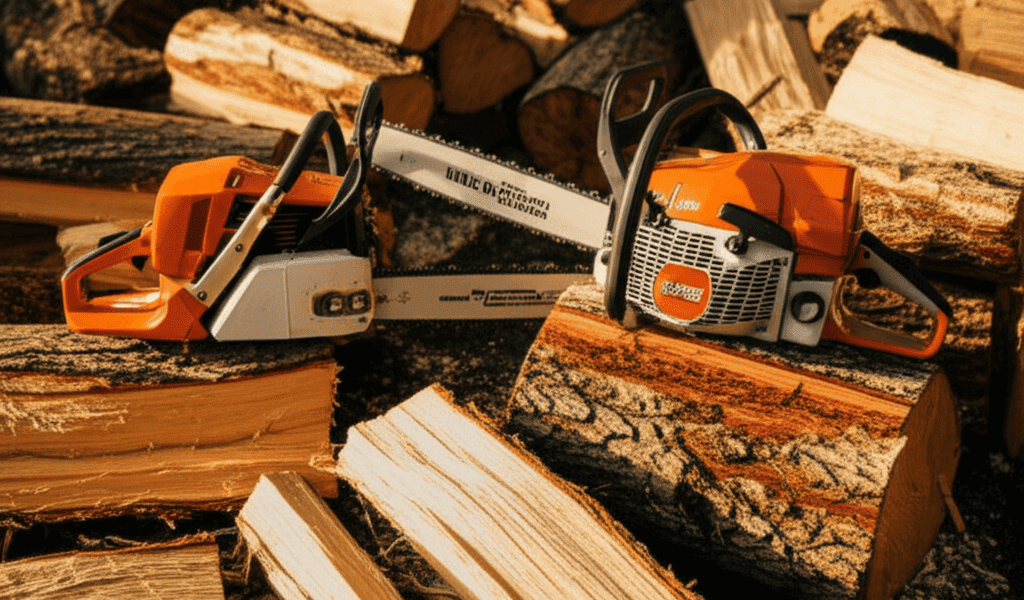

This guide is practical and hands on. Whether you are a homeowner who heats with a wood stove, a landowner clearing storm damage, or someone who likes to prepare a winter supply, you will find advice on power choices, bar lengths, chain types, and safe work patterns that match common cutting scenarios.
Chainsaws That Handle Firewood Well what makes a strong choice
Not every chainsaw excels at slicing through dense, knotty rounds. Models that handle firewood well combine stable power delivery, an appropriate bar length, a chain designed for steady cut rates, and ease of maintenance in the field. Key attributes to look for include consistent torque at low RPM, easy starting, solid chain retention, and a guide bar that matches the typical log size you process.
For many users a midweight saw in the 40 to 60 cc range for gas units, or a 40 to 60 volt battery tool for cordless models, provides a balance of power and manageable weight. Those who frequently cut large diameter logs may prefer larger motors or an extended bar. Smaller saws are easier to handle and useful for kindling and smaller rounds.
Power options and how they affect firewood work
Power source is the first decision when choosing a saw for firewood. Each system has trade offs that shape daily use patterns and maintenance needs.
Gas models pros and cons
Gas chainsaws offer sustained power and quick refueling. They work well on long cutting sessions and maintain high cutting speed under load. They require regular fuel mixing on two stroke models, spark plug checks, and more frequent air filter care. Noise and exhaust are factors for residential neighborhoods.
Electric options pros and cons
Corded electric saws deliver steady power without fumes or fuel chores. They are limited by cord length and are less common for heavy firewood tasks. Battery saws remove the cord constraint and are surprisingly capable for many home firewood tasks, especially with modern high cell count packs. Expect brief pauses to swap batteries on long days. Battery systems reduce routine mechanical upkeep compared with gas units.
Bar length and chain choice for typical firewood loads
Choosing bar length is about matching saw size to log diameter and working posture. A bar that is too short means you will make more cuts, while a bar that is too long can cause fatigue and binding. Common choices for firewood work are 16 to 20 inches for general household needs. A 24 inch bar is useful for larger trees but is heavier and can be harder to control for repeated short cuts.
- 16 inch bars are nimble and good for small to medium rounds and kindling
- 18 inch bars handle most home heating wood with fewer cuts
- 20 inch bars are a good compromise when you encounter occasional large rounds
Chain selection matters for feed rate and cut smoothness. Standard full chisel chains cut quickly on clean wood but dull faster when hitting dirt or grit. Semi chisel chains are more forgiving and keep cutting through abrasive conditions while holding an edge longer. Match chain pitch and gauge to your saw head specifications and check compatibility before making a purchase.
Maintenance routines that keep a saw productive
Regular upkeep is the difference between a saw that stalls and a saw that chews through logs all day. Simple checks before and after sessions extend component life and improve safety.
- Sharpen the chain whenever cutting slows or you find yourself forcing the saw forward
- Check chain tension frequently as the bar heats and the chain stretches during use
- Clean or replace the air filter to protect the engine or motor from dust and sawdust buildup
- Inspect the bar for burrs and flip it periodically to promote even wear
- For gas saws confirm the fuel to oil mix if your model requires blending, and check the spark plug wiring
Sharpening tips that save time in the field
Carry a round file sized to your chain, a depth gauge file guide, and a small flat file. Sharp chains cut cooler and pull wood rather than forcing through it. File at the same angle across cutters and work from the saw side opposite your body to maintain balance and safety while filing.
Storage and winter care
Drain or stabilize fuel on gas saws if you will not run them for more than a month. Store batteries in a cool dry location and avoid fully discharged long term storage. Wipe chains and bars with a light oil film to slow rust during storage periods.
Safe habits that speed up firewood processing
Good technique prevents accidents and reduces fatigue. When cutting, always position the log so it will not bind the bar. Use saw horses or elevated supports for smaller rounds. For large rounds consider milling on a stable cradle or using a wedge to keep the cut open while you finish through the log. Wear eye protection, gloves, hearing protection, and cut-resistant chaps as standard gear.
- Plan a clear escape path in case the log rolls or shifts under the saw
- Work in daylight or with strong portable lighting to maintain visual clarity
- Keep a sharp saw and a fresh chain to reduce kickback risk and cutting time
Choosing the right model for knotty or frozen wood
Knotty and frozen wood are tougher than green, clear rounds. Look for a saw with consistent torque under load, and consider a semi chisel chain when you expect gritty conditions or heavy knots. Larger displacement engines on gas saws or higher amp hour battery packs deliver the steady push required to move through stubborn knots without bogging.
When the wood is frozen consider warming it slightly if practical, or take shorter cuts to avoid overloading the chain. Use a slower feed, let the saw pull through the wood, and avoid forcing the blade. These habits protect the chain and the bar nose from excessive stress.
Practical tips for faster stacking and processing
Reduce handling time with a simple workflow when processing a cord. Cut rounds to length near the splitting area to minimize double handling. Split on the same bench as the saw where safe to do so, so split pieces go straight to the stack. Use a wheelbarrow or tarp to move rounds in batches. Mark the log length with chalk so each cut is consistent for tidy stacks that dry evenly.
- Label piles by dryness or species for even seasoning
- Create a sheltered stack that allows air flow to avoid mold and slow drying
- Rotate older wood forward in the stack to use well seasoned stock first
For a curated list of models that match common firewood tasks take a look at a tested selection of the best firewood chainsaws available for home users and landowners. Those lists usually separate lightweight units from heavy duty saws so you can match tool weight, bar length, and power system to your day to day needs.
Final checks before you buy a chainsaw for firewood
Before committing to a purchase do a quick evaluation of your typical projects. Assess average log diameter, the number of cords or face cords you plan to cut annually, and whether portability matters. If you process large volumes, favor sustained power and serviceability. For occasional use, consider a lighter tool that is easier to store and maintain.
- Compare warranty terms and local service options
- Test tool balance in person when possible to feel how it carries during typical cuts
- Factor in the cost of replacement chains, bars, and protective gear into your budget
Choosing the right chainsaw for firewood is about matching tool traits to the way you work. A well selected saw reduces fatigue and waste, and speeds up the task so you spend more time enjoying the warmth of the stove. A small investment in maintenance gear will keep your saw reliable across seasons.
Conclusion
Selecting chainsaws that handle firewood well comes down to understanding how power source, bar length, chain type, and maintenance habits interact with the wood you process. Midweight gas saws and higher voltage battery models provide a strong balance for most home heating needs. Match your bar length to log sizes and choose a chain that stands up to dirt and knots if you work in rough conditions. Regular sharpening, proper tensioning, and a short pre use checklist keep cutting speed high while reducing risk. Remember safe patterns for positioning and escape so every cut finishes without incident. If you spend time preparing a winter supply follow the workflow tips that reduce handling and improve drying. Now that you have the essentials try out a couple of models at a local dealer or read hands on reviews and then pick the tool that fits your routine. Start with a clear plan for the size of wood you will cut and a basic maintenance kit so your saw remains a reliable partner through the season. Take action today and match your needs to a saw that will get your wood processed faster with less hassle.